


The sixth meeting of the Interdepartmental Commission on Debureaucratization of the Civil Service System was held under the chairmanship of the head of the Cabinet of Ministers of Kyrgyzstan Adylbek Kasymaliev. The Cabinet’s press service reported.
According to it, the Interdepartmental Commission was formed in March 2025, and the first package of measures, including 36 regulatory legal acts and 10 systemic instructions, was approved in February.
Over the course of eight months, six similar packages of decisions were adopted, which, through hundreds of departmental decisions and draft regulatory legal acts at various levels, helped ease administrative and bureaucratic pressure on many processes.
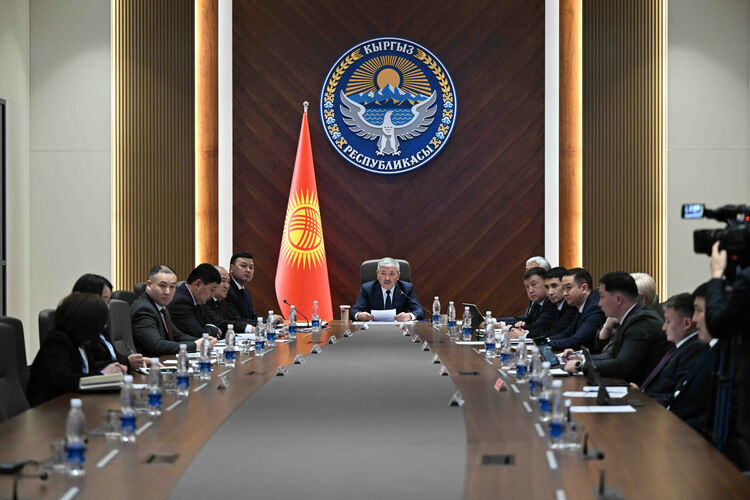
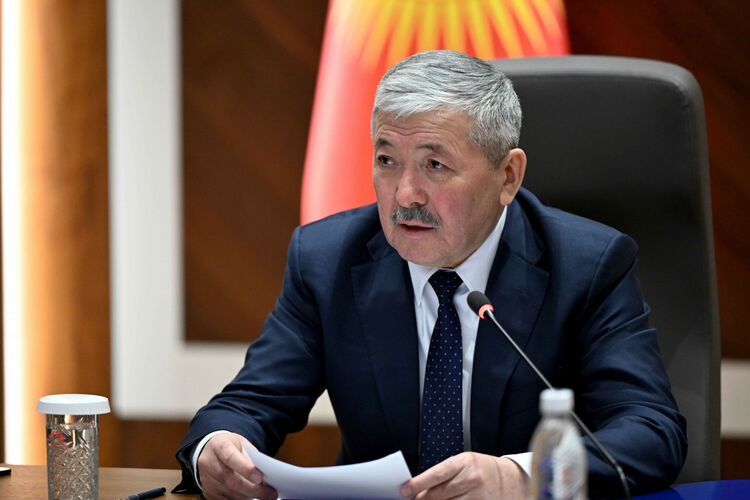
Proposals that form the sixth package of debureaucratization measures were also presented at the meeting.
Thus, the Ministry of Digital Development and the National Statistical Committee have developed a «data-driven government» concept aimed at implementing data-driven management decision-making. The Ministry of Economy, embracing the principles of «zero-plus» and «zero bureaucracy,» is analyzing tax deductions in the provision of public services with the goal of transitioning to a targeted approach and automatic calculations through the Tunduk system. It is proposing the introduction of a preventative consulting system for businesses and is implementing a reform of the taxation of online commerce.
A task has also been set to study the feasibility of redistributing drug reimbursements in favor of pregnant women and children under six.
The relevant agencies have been recommended to expand the functionality of ELQR QR payments, including for cash-out transactions through ATMs.
These and many other initiatives and proposals from government agencies have been combined into the sixth package of debureaucratization measures and approved by members of the Interdepartmental Commission. The implementation of this package is aimed at further reducing redundant administrative procedures, eliminating duplicate requirements, expanding the use of digital solutions, and improving public administration’s focus on the needs of citizens and businesses.


